Thinking about selling acreage near Lufkin? Land buyers usually are not asking the same questions a house buyer would ask. They want to know where the boundaries are, how the property is accessed, what rights come with it, and whether the tract looks usable from the moment they pull through the gate. If you want your land to make a strong first impression and attract serious buyers, a little prep goes a long way. Let’s dive in.
Why land prep matters
When you list acreage in Angelina County, buyers often start with practical questions before they ever think about price. They want to understand how the tract could work for livestock, recreation, wildlife management, timber, or long-term investment.
That means your pre-listing work should focus less on decorating and more on clarity. The better you can show what the land is, how it functions, and what records support it, the easier it is for buyers to move forward with confidence.
Start with boundaries and access
One of the most important steps before listing acreage near Lufkin is confirming exactly what is being sold. A current survey can help verify boundaries, acreage, legal access, encroachments, and rights-of-way.
Access also deserves early attention. Buyers will want to know whether the property has public-road access, easements, or driveway access, and these details can shape both usability and value.
If your tract fronts a state highway, TxDOT requires a permit when a new driveway is built or an existing one is modified. If work involves county right-of-way, Angelina County currently requires permits for culvert installations and for pipe or utility line installations on county right-of-way.
Gather records before you go live
Well-prepared sellers often have a smoother listing process because they can answer questions quickly. Before your acreage hits the market, gather the records a buyer is most likely to request.
Here are the key items to pull together:
- Deed
- Legal description
- Current survey
- Recorded easements
- Liens
- Leases
- Deed restrictions
- Tax history
- Appraisal history
- Well records, if applicable
- Timber records, if applicable
Angelina County Clerk records real-property documents, liens, subdivision plats, and other official county records. Angelina CAD maintains ownership records, values property as of January 1 each year, and administers exemptions and special appraisal.
If your land has been used for farming, ranching, timber, or wildlife management, gather proof of that use history. Buyers may ask for it, especially if the property has an agricultural, open-space, or timber appraisal.
Be ready for tax questions
Tax status is often a major topic when selling rural property in East Texas. If your acreage has an agricultural, open-space, or timber appraisal, buyers may want to know how that valuation has been maintained and what type of use supported it.
In Texas, productivity-based appraisal can lower taxes, but rollback tax may apply if the land changes to a non-agricultural use. Angelina CAD also notes that local intensity standards apply, and token agricultural use does not qualify.
This is one area where good documentation helps. If you have records that show grazing, hay production, timber activity, or wildlife management history, keep them organized and easy to share.
Clarify what rights convey
Acreage buyers near Lufkin often ask a simple question that can have a complicated answer: what exactly comes with the land? Mineral rights, groundwater rights, wind rights, easements, and leases may have been reserved, severed, or limited.
If you know which rights will convey and which will not, your listing can be more accurate from day one. That helps reduce confusion and gives buyers a clearer picture of the property’s value and possible uses.
Check wells, water, and infrastructure
If your property has a private well, gather the well report and any recent water testing records. In Texas, private well water quality is not regulated by the state, so buyers often appreciate having whatever information is available.
You should also make note of visible infrastructure and site features that affect usability. That may include ponds, fencing, gates, roads, utilities, septic considerations, woods, and pasture areas.
For many buyers, these are not small details. They are part of calculating future work, repair costs, and how soon they can start using the property.
Improve the entrance first
When it comes to showing land, the entrance sets the tone. A buyer may form an opinion of the whole tract within the first minute of arriving.
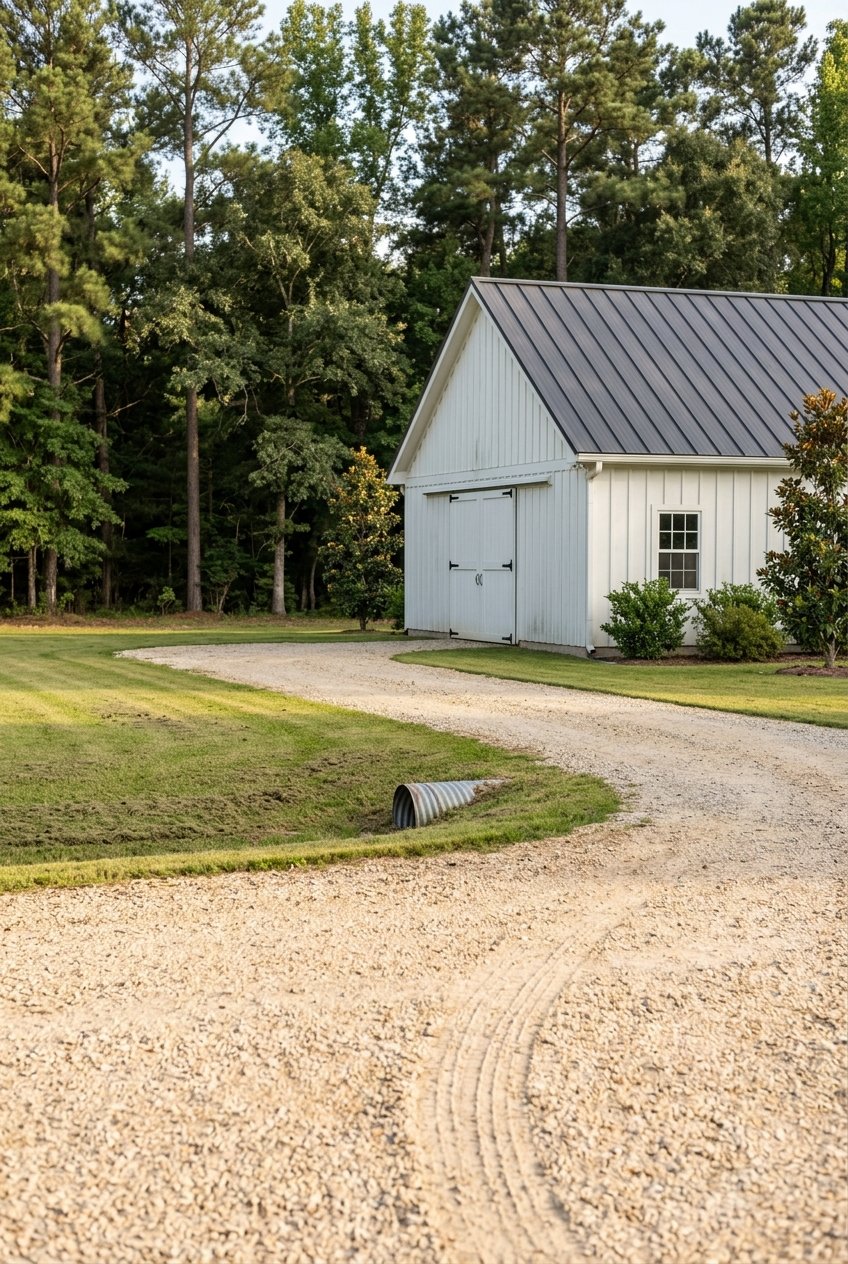
Focus on the gate, driveway, archway, and fenceline first. Mow and trim the area, remove trash or debris, and make sure the property looks cared for instead of forgotten.
If the driveway has potholes or ruts, address them if you can. It also helps to create a clean space where a buyer can park, step out, and turn around easily.
Clean up trails and sight lines
Acreage tends to show better when buyers can move through it with ease. Main roads, trails, and viewing corridors should feel open enough to help someone understand the shape and usability of the tract.
Clear branches, brush, and clutter from key paths. If buyers cannot easily see the pond, pasture, creek area, or tree line you want to feature, those selling points may get lost during the showing.
This same rule applies to photography. Clean sight lines often make the property feel larger, more accessible, and easier to enjoy.
Remove distractions before photos
Professional presentation matters with land just as much as it does with homes. Online buyers expect strong visuals, and the camera tends to highlight clutter that you may stop noticing in person.
Before photos or video, move broken equipment, old trailers, unused machinery, and other distracting items out of the main view. A cleaner scene helps buyers focus on the land itself rather than the work they think they will inherit.
If the tract includes a house or cabin, clean the windows and keep view sheds open. That helps the residence and the acreage feel like one connected property instead of two separate pieces.
Make the property easier to understand
Large tracts can be hard to read during a showing, especially for buyers who are new to rural property. A simple tract map can make a big difference.
Maps help buyers visualize boundaries, access points, water features, trails, and improvements. When a buyer understands how the land lays out, they are better able to picture ownership and use.
That kind of clarity is especially helpful for regional buyers who may be comparing several acreage listings across East Texas. A well-presented tract often stands out faster online and in person.
Plan ahead if you may split the tract
If you are thinking about selling part of a larger property, check the county rules early. In Angelina County, dividing acreage outside an incorporated town or city generally requires a plat approved by Commissioners Court before filing, subject to stated exceptions.
This matters even during the marketing stage. If you plan to advertise future parcels or lots, you will want to understand subdivision requirements before presenting the property that way.
You should also keep plats and subdivision-related documents together. That can save time and help avoid confusion as buyer questions come in.
Remember local permitting details
Small improvements can create unexpected issues if permits are overlooked. If your entrance, culvert, driveway, or utility work touches county right-of-way, check Angelina County requirements before starting work.
If your frontage is on a state highway, check TxDOT driveway access rules before building a new entrance or modifying an existing one. And if a new road name, new entrance, or split tract may need an official address, Angelina County’s 911 addressing policy can become relevant early in the process.
These details may not be the most exciting part of selling land, but they can affect how smoothly your listing moves from interest to contract.
A quick acreage-ready checklist
Before listing acreage for sale near Lufkin, make sure you can answer these questions:
- Do you have a current survey?
- Can you clearly explain legal access?
- Have you gathered deed, tax, easement, lease, and appraisal records?
- If the land has ag, open-space, or timber appraisal, do you have use history documentation?
- If there is a well, do you have the well report and any water test records?
- Is the entrance mowed, clean, and easy to navigate?
- Are trails and key viewing areas cleared?
- Have distracting items been moved out of photos?
- Do you have a simple tract map for showings?
- If the land may be divided, have you checked Angelina County subdivision rules?
The goal is confidence
Selling acreage is about more than putting a sign at the road. The strongest land listings help buyers feel confident about boundaries, access, taxes, rights, and real-world usability.
That is especially true around Lufkin, where buyers may be looking for pasture, timber, recreation, or a long-term land investment. When your property is documented well, cleaned up thoughtfully, and presented clearly, it is easier for the right buyer to see the value.
If you are preparing to sell land in Angelina County, working with a local team that understands acreage can make the process much more straightforward. For owner-led guidance, local market insight, and premium listing presentation, connect with Kristy Petty.
FAQs
What documents should you gather before listing acreage near Lufkin?
- You should gather the deed, legal description, current survey, recorded easements, liens, leases, deed restrictions, tax history, appraisal history, and any well or timber records that apply to the property.
Why is a current survey important when selling land in Angelina County?
- A current survey helps confirm boundaries, acreage, legal access, encroachments, and rights-of-way, which can reduce uncertainty for buyers before the listing goes live.
What tax issues matter when selling acreage near Lufkin, Texas?
- If the property has an agricultural, open-space, or timber appraisal, buyers may ask about use history, local intensity standards, and whether rollback tax could apply if the land changes to a non-agricultural use.
What should you clean up before photographing rural land for sale?
- You should focus on the entrance, driveway, trails, fence lines, and key sight lines, while moving broken equipment, trailers, and other distracting stored items out of view.
Do you need permits for driveway or culvert work on acreage in Angelina County?
- Possibly, yes. Angelina County currently requires permits for culvert installations and certain pipe or utility line work on county right-of-way, and TxDOT requires permits for new or modified driveway access on state highways.
What should you know before dividing acreage outside a city in Angelina County?
- If you plan to divide acreage outside an incorporated town or city, county subdivision rules generally require a plat approved by Commissioners Court before filing, subject to stated exceptions.