You want a clear picture of everyday life before you decide to move. If East Texas has been calling your name, Lufkin gives you a small-city pace with real convenience and plenty of outdoor escape. In this guide, you will learn what neighborhoods feel like, how people get around, where the jobs are, and what locals do on the weekends, plus direct links to trusted sources so you can verify details. Let’s dive in.
Lufkin at a glance
Lufkin sits in the heart of Angelina County and serves as a regional hub for retail, healthcare, education, and timber and manufacturing. You get the benefits of a service center without big-city sprawl. The population is in the mid‑30,000s and has the mix you expect in a regional city: families, retirees, and commuters from nearby rural areas. For the latest numbers and trends, see the U.S. Census Bureau’s QuickFacts for Lufkin.
Housing and neighborhoods
You will find a range of settings, from in-town to rural edges. Single-family homes are most common inside city limits, with some duplexes and smaller apartment communities. If you want space and privacy, the unincorporated county around Lufkin offers larger lots, manufactured homes, and acreage.
Downtown and historic pockets
Closer to the courthouse and city services, you will see older homes on smaller lots and quick access to local shops. Living here makes it easy to grab a coffee, visit a park, or attend a community event downtown. It is a good fit if you prefer walkable errands and a classic neighborhood feel.
Established single-family streets
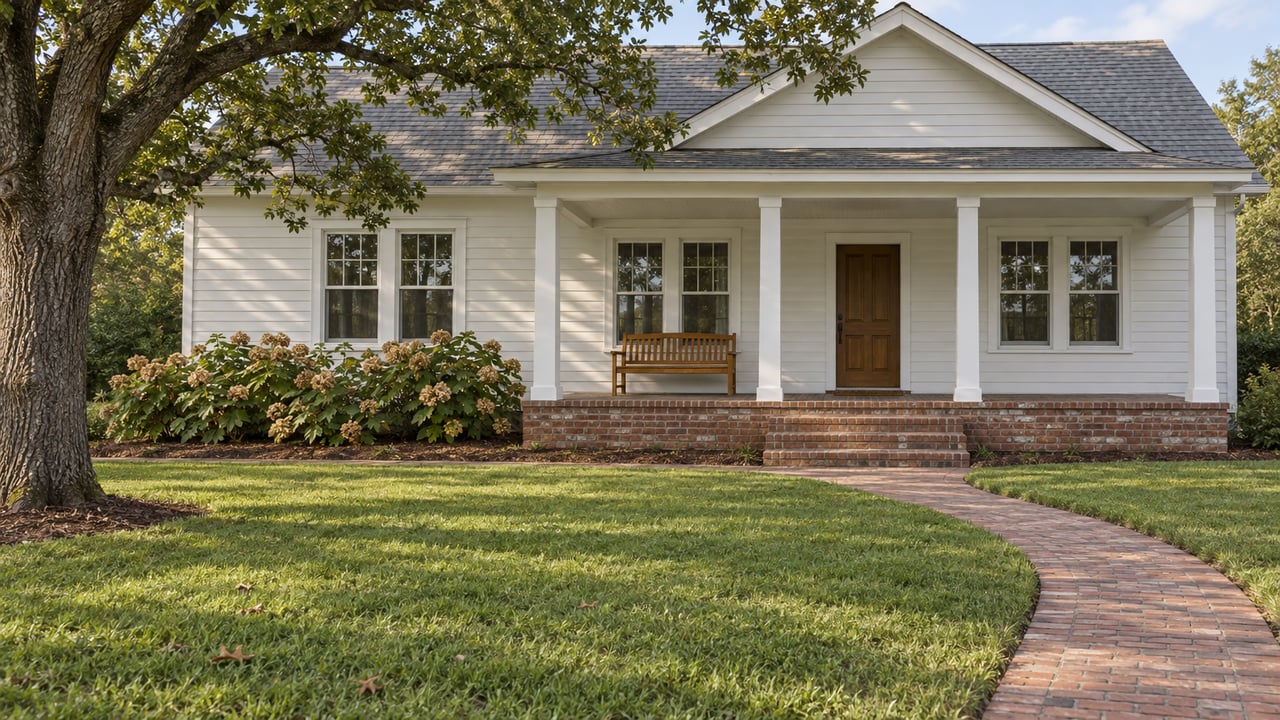
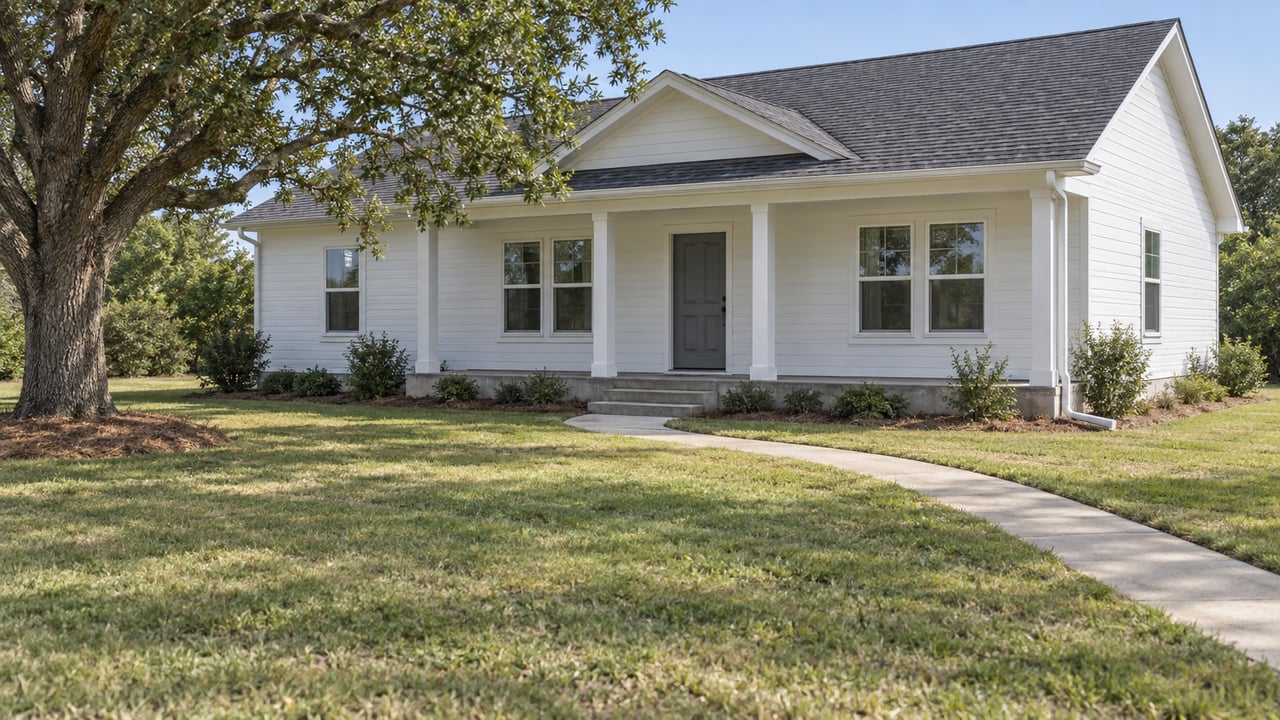
Throughout central and north Lufkin, many neighborhoods date from the post‑war era through the 1990s. Expect ranch-style and traditional homes, mature trees, and steady residential streets. These areas offer a familiar suburban rhythm with quick drives to schools, groceries, and clinics.
Newer subdivisions on the edge
On the outskirts, you will find newer builds and typical suburban lots near newer retail. These neighborhoods appeal if you want more recent construction, attached garages, and modern layouts. Inventory and new-build activity change with the market, so timing matters.
Acreage and ranch living nearby
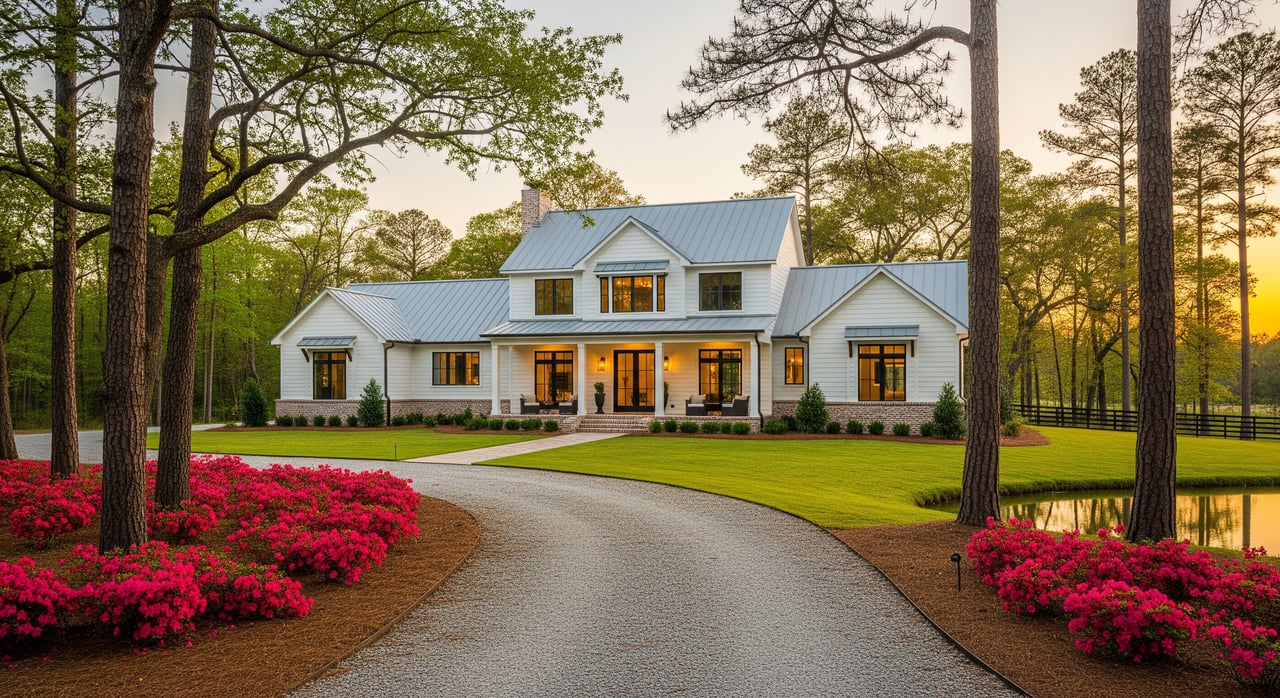
Just beyond city limits, you step into East Texas country. Larger tracts, hobby farms, and timber parcels offer room to spread out, run projects, or simply enjoy quiet under the pines. If you are considering land, it helps to work with a local team that understands wells, access, floodplain, timber, and ag valuations.
Property taxes and no state income tax
Texas does not have a state income tax, so property taxes are a key cost to plan for. Rates vary by taxing entity and property location. You can review current tax information and estimate bills through the Angelina County Appraisal District.
Commute and getting around
Driving is the norm in Lufkin. Commute times are generally shorter than major metros, but your timing depends on where you live and work, and whether you commute from a rural address. Major U.S. highways and state roads connect Lufkin to nearby East Texas cities for regional trips. To gauge your daily drive, plug your target address into a mapping app at your usual leave time and check several days for a realistic picture.
Jobs and local economy
Lufkin’s economy reflects its role as a regional center. Healthcare and education are steady employers, along with city, county, and school district jobs. Manufacturing and timber and forestry remain important across Angelina County. If you are job hunting, you can scan local listings and check city or county economic development updates to see which sectors are expanding.
Schools and education
Public schools in the city are served by Lufkin Independent School District. For current campus profiles, attendance zones, accountability reports, and special programs, review the Lufkin ISD website and the Texas Education Agency’s school report cards and ratings. Always verify a specific address with the district for the most accurate attendance information.
Lufkin is also home to Angelina College, which offers academic transfer paths, workforce training, and community programs. Nearby in Nacogdoches, Stephen F. Austin State University provides a regional university option for four-year degrees and graduate study.
Healthcare access
As a regional hub, Lufkin offers hospital care, clinics, and specialty practices that serve Angelina County and surrounding communities. Many residents handle routine needs locally and visit larger Texas medical centers for complex specialty care when needed. If access to specific services is important to you, contact local providers and confirm availability before you choose a neighborhood.
Parks, outdoors, and things to do
East Texas is known for pines, lakes, and easy-going outdoor time. Within Lufkin, the city maintains parks, playgrounds, ballfields, and community facilities. You can explore current amenities and programs through the City of Lufkin.
A favorite family stop is the Ellen Trout Zoo, which draws visitors from across the region. Beyond town, you have quick access to forests, rivers, and lakes for fishing and boating, including the national forest areas and Sam Rayburn Reservoir. Weekend fun often looks like a picnic at a city park, a zoo visit with the kids, or a fishing trip on a nearby lake.
Weather and seasonal planning
Lufkin’s climate is humid subtropical. Expect hot, humid summers, mild winters, and more rainfall than much of Texas. Spring and summer thunderstorms are common, and the area can see occasional severe weather such as wind or hail, with rare winter ice events. For local climate resources and forecasts, use the National Weather Service.
Homeowners should plan for routine maintenance suited to a wooded, humid region. That includes gutter and roof care, tree trimming away from structures, termite prevention, and checking drainage. Depending on the property’s location, you may also evaluate flood or wind coverage as part of your insurance planning.
Cost of living and affordability
In general, housing and day-to-day costs in Lufkin compare favorably with Texas’s largest metros. Inside city limits, single-family homes dominate, while rental and multifamily options are more limited than you would see in big cities. If value per square foot, yard space, or acreage potential are high on your list, Lufkin and the surrounding county offer many paths to ownership.
To build a realistic budget, consider your monthly payment, property taxes, utilities, and insurance. If you are comparing neighborhoods or weighing build versus buy, it helps to have current market data and an apples-to-apples comparison tailored to your needs.
Internet, utilities, and safety resources
Broadband availability varies by street and by whether you are in the city or in a rural area. Some addresses have cable, DSL, or fiber, while others rely on fixed wireless or satellite. You can check options at a specific location using the FCC Broadband Map.
For safety research, look at multiple sources and compare trends over time. The FBI Crime Data Explorer provides city-level data, and local police departments often publish incident summaries or maps. Always review information with the context of neighborhood and time period and visit areas in person at different hours.
Quick steps to research any Lufkin address
Use these steps to give yourself confidence as you narrow your search:
- Verify schools and programs: Start with Lufkin ISD, then review campus-level details in the Texas Education Agency’s accountability reports. Confirm attendance zones directly with the district.
- Estimate property taxes: Look up rates and prior assessments with the Angelina County Appraisal District and ask for a tax estimate based on a target price.
- Check commute times: Run your expected drive during normal rush hours in a mapping app for at least three weekdays.
- Confirm internet options: Enter the address in the FCC Broadband Map and call providers to confirm speeds and installation timelines.
- Review safety data: Compare several years in the FBI Crime Data Explorer and visit neighborhoods at different times of day.
- Understand local climate: Scan seasonal patterns in the National Weather Service and consider home features like roof age, drainage, and shade.
- Explore parks and family fun: Browse city amenities and programs via the City of Lufkin and plan a visit to the Ellen Trout Zoo.
How a local brokerage can help
Buying in a regional hub like Lufkin is about matching your lifestyle to the right property. Inside town, that might mean a classic ranch home near schools and shopping. On the edge, it could be a newer build with extra garage space. In the county, it may be the 10 to 30 acres you have been dreaming about for projects, privacy, or recreation.
A local, owner-led team can help you verify the details that matter: floodplain and access on rural tracts, utility availability and broadband options, property tax implications, and the nuances of each neighborhood’s resale dynamics. You will also get a realistic look at timelines and competition so you can plan your move with confidence.
If you want a personal walkthrough of the market, neighborhood-level insights, or a free valuation before you list, reach out to Kristy Petty. Our team at Platinum Properties and Ranches pairs deep local roots with modern marketing to guide you from first tour to closing day.
FAQs
What is the population and feel of Lufkin, TX?
- Lufkin is a small East Texas city that serves as a regional hub for retail, healthcare, education, and manufacturing; for current population figures and trends, see the U.S. Census QuickFacts for Lufkin.
What types of homes are common in Lufkin?
- You will find older homes near downtown, established single-family neighborhoods from the post‑war era to the 1990s, newer subdivisions on the edge of town, and rural acreage or ranch properties in the county.
How can I evaluate Lufkin schools for my address?
- Start with attendance and program info from Lufkin ISD, then review campus-level accountability reports from the Texas Education Agency, and confirm boundaries directly with the district.
What outdoor activities are near Lufkin?
- Locals enjoy city parks and community facilities via the City of Lufkin and make regular trips to the Ellen Trout Zoo, plus nearby forests, rivers, and lakes for fishing and boating.
What weather should I expect in Lufkin?
- The climate is humid subtropical with hot summers, mild winters, frequent thunderstorms, and occasional severe weather; check seasonal patterns with the National Weather Service.