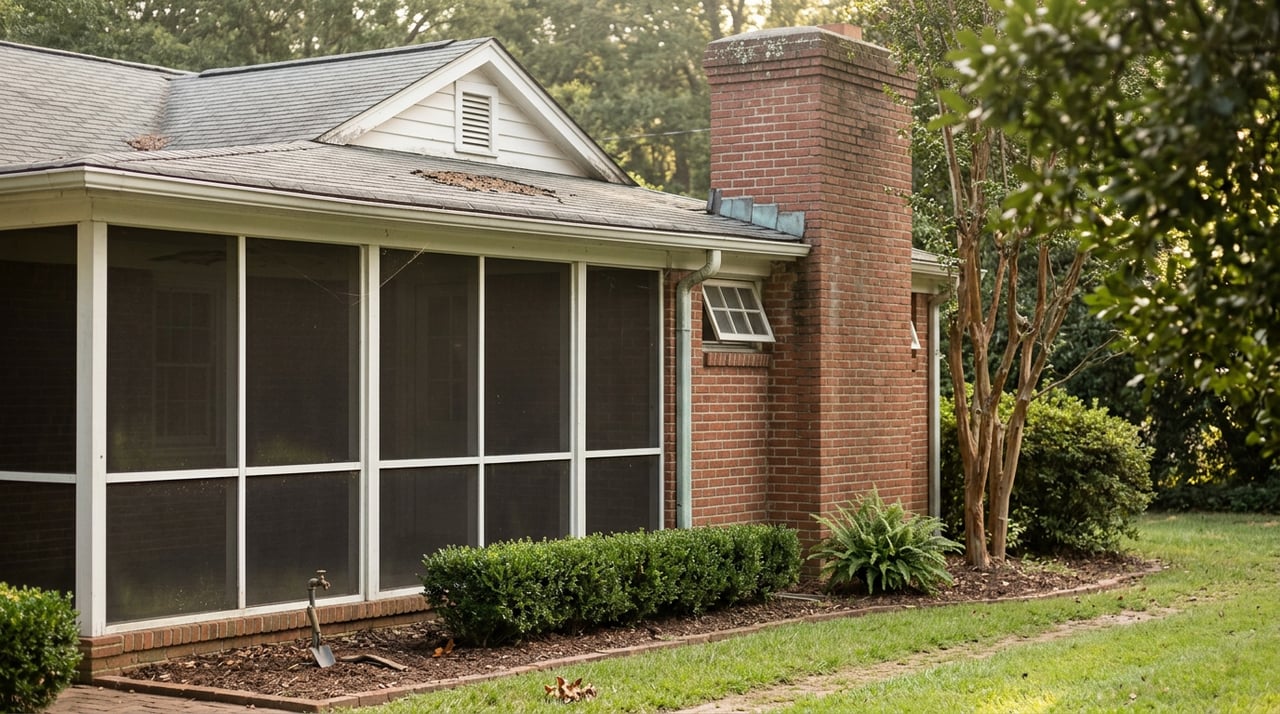
You find the lot. Long frontage on Sam Rayburn, a clean building pad, maybe an existing home with open water visible from the back porch. The next thought is usually a dock. That is where a lot of Huntington-area buyers hit a wall they did not know was there.
Sam Rayburn is a U.S. Army Corps of Engineers reservoir, which means the Corps controls almost all of the land between a private lot line and the actual water's edge. On several other Corps-managed lakes in the region and beyond, that control still comes with a permit path to a private dock. On Sam Rayburn, it mostly does not, and the difference matters a great deal to anyone about to sign a contract on a "waterfront" property near Huntington.
What the Corps actually controls
Sam Rayburn was built for flood control, hydroelectric power, and water supply, not for lakefront living, and the land use rules that govern its shoreline reflect that original purpose. The U.S. Army Corps of Engineers' Sam Rayburn Project Office manages the reservoir and the government land that surrounds it, and shoreline uses on that land require Corps authorization no matter who owns the adjacent private lot.
The language governing private shoreline use at Sam Rayburn is direct on the point that matters most to buyers. According to Safe Harbor Fishing, structures that would give one owner exclusive use of the shoreline, floating docks, fixed piers, or similar improvements, "are not allowed at Sam Rayburn Lake." That single line is the reason so many waterfront listings near Huntington do not, and cannot, come with a private dock, regardless of how the frontage looks in photos.
Why Sam Rayburn is different from lakes that do permit private docks
This is not how every Corps reservoir works, which is part of why the assumption is so common. A few points of comparison from other federally managed lakes show the range of policy:
- According to the Table Rock Lake shoreline management plan, Table Rock Lake, on the Missouri and Arkansas border, issues five-year Shoreline Use Permits for private docks, with a permit fee around thirty dollars.
- The Kerr Scott Reservoir shoreline management plan in North Carolina sets out a similar permit system, with defined slip widths and construction standards spelled out in its shoreline management plan.
- Sam Rayburn's own shoreline management plan takes a different position. New private floating or fixed docks built for exclusive individual use are not part of the program at all.
A buyer who has shopped lake property anywhere else in Texas or the Southeast can be forgiven for assuming a permit path exists here too. It does not, and that gap between expectation and reality is exactly what needs to surface before an offer, not after closing.
What "dock access" actually means on a Huntington listing
None of this means the water is off limits. It means access at Sam Rayburn takes a different shape than a private dock behind the house, and a buyer needs to know which shape a given listing is actually offering.
- Courtesy docks at Corps day-use parks. Parks including Hanks Creek, Mill Creek, Twin Dikes, and San Augustine are Corps-operated day-use areas with boat ramps, and Hanks Creek's ramp specifically includes a courtesy dock. Where they exist, courtesy docks are for short-term tie-up while a boater loads, unloads, or launches.
- Marina and concession slip leases. Of the maintained public access points around the reservoir, several are operated by concessionaires or sit near a marina, and these locations lease boat slips the way a marina anywhere else would. The terms live in a lease agreement, not in the listing description.
- Community docks. Confirming any claim about private water requires checking the plat and title, not taking a seller's or a listing agent's word for it.
A listing that simply says "dock access" could mean any of the three, and only one of them functions anything like the private dock most buyers picture when they hear the phrase.
This summer's water level turns the question from hypothetical to practical
The permit question is only half the story this year. Sam Rayburn's conservation pool elevation is 164.4 feet, and the lake typically runs several feet higher in spring and lower in fall, a seasonal swing of roughly six to seven feet in a normal year according to Texas Parks and Wildlife fisheries reporting on the reservoir.
As of July 5, 2026, the lake measured 156.83 feet, about 7.6 feet below the conservation pool elevation of 164.4 feet. That gap is not flood territory or drought territory in any dramatic sense, but it is enough that some of the shallower coves and fringe boat ramps around the reservoir sit further from the water than they would at full pool. For a buyer weighing whether shoreline access matters for how they will actually use a property this year, a call to the Corps' project office or a look at current lake conditions before writing an offer is worth the ten minutes it takes.
Before you write an offer near Huntington
A few questions asked before contract can save a lot of frustration after closing.
- Ask directly whether the lot's water frontage touches Corps-managed land. On Sam Rayburn, the honest answer is usually yes.
- If the listing references any existing dock or shoreline structure, ask for the permit paperwork itself, not a description of it.
- If the listing references a marina slip, get the lease terms and transferability details in writing before assuming the slip comes with the house.
- If the listing references a community or HOA dock, review the plat and the association's governing documents to confirm the water is genuinely private and not Corps-managed.
- Check current lake conditions before assuming this summer's access will match what you see in the photos, since the reservoir can sit six or seven feet below its own average from one season to the next.
None of this rules out a great purchase near Huntington. It just means the water and the dock question deserve the same scrutiny most buyers already give to septic systems or survey lines.
FAQ
Can I build a private dock on Sam Rayburn near Huntington? Based on the Corps of Engineers' shoreline management rules for the reservoir, new private floating or fixed docks built for one owner's exclusive use are not permitted. Access to the water generally comes through Corps-managed courtesy docks, a leased marina slip, or, in rare cases, privately held cove water that never touches Corps land.
What exactly is a courtesy dock, and can I treat it like my own? At Sam Rayburn, the Hanks Creek Park boat ramp is a documented example, with a single-lane ramp and a courtesy dock for loading and launching. Courtesy docks exist for short-term tie-up, so they function as public infrastructure rather than a private amenity tied to any one property.
How much does the lake level actually move, and why does it matter for buyers? The reservoir's conservation pool sits at 164.4 feet, and the lake historically runs several feet higher in spring and lower in fall, a swing of roughly six to seven feet across a typical year. As of July 5, 2026, the level measured 156.83 feet, about 7.6 feet below that conservation pool elevation, a useful reminder that shoreline access can look different depending on when you happen to be viewing a property.
If you are weighing a lake-adjacent purchase near Huntington and want a straight answer on what a specific lot's frontage actually allows, Kristy Petty and the Platinum Properties and Ranches team can walk the paperwork with you before you write an offer, not after. Get Your Free Property Valuation and start the conversation with the details that actually matter.
This article is general information, not legal, tax or financial advice. Consult a qualified professional about your situation.